

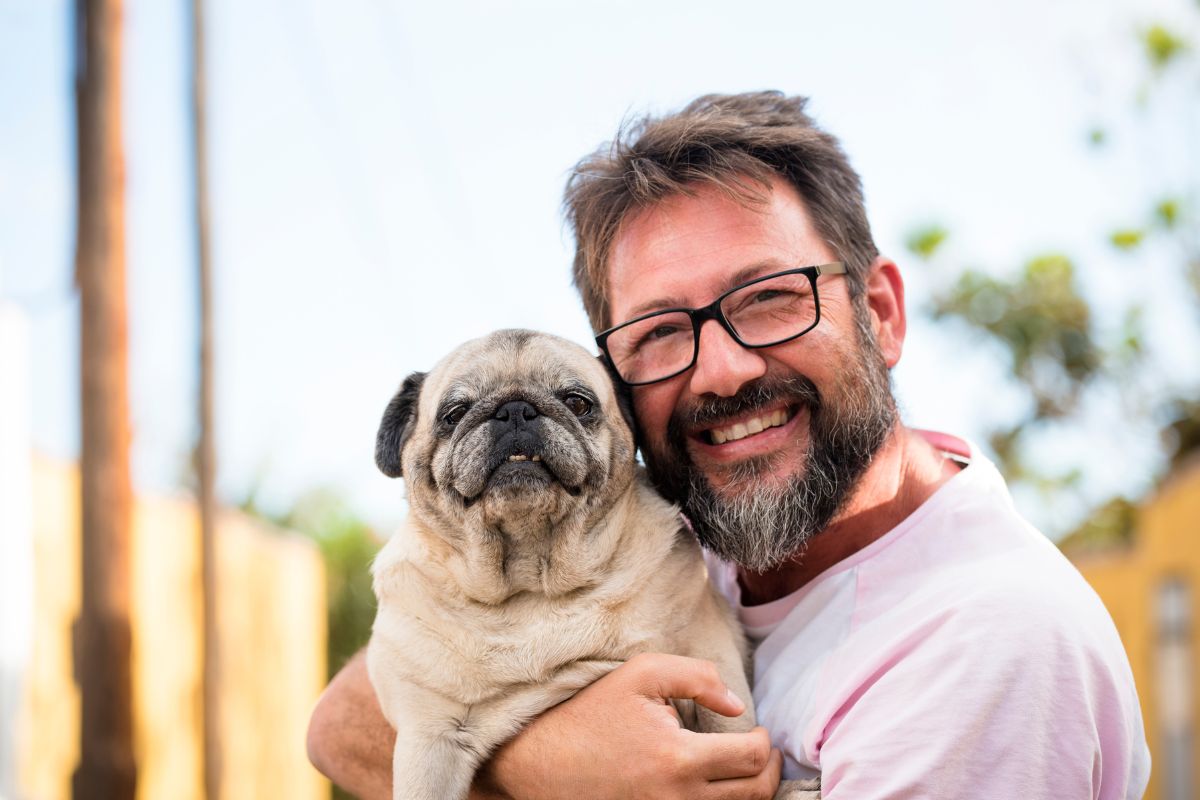
Vaccination day can be a source of stress for both pets and their owners. The anticipation of the vet visit, the unfamiliar environment, and the needle itself can trigger anxiety in our furry companions. However, with some preparation and understanding, you can significantly reduce your pet’s stress levels and make the experience smoother for everyone.
Preparation is Key:
The calming process begins before you even leave home. Start by familiarizing your pet with its carrier. If your pet is a cat, ensure the carrier is easily accessible and comfortable. For dogs, make sure they associate the carrier with positive experiences. Use treats and toys to create a positive association.
- Practice Carrier Time: Regularly place your pet in the carrier for short periods, giving them treats and praise. This helps them view the carrier as a safe space rather than a harbinger of vet visits.
- Familiar Scents: Place a blanket or toy that smells like home inside the carrier. This can provide comfort and reduce anxiety.
- Gentle Handling: Acclimate your pet to being handled, especially around their neck and legs, where injections are typically given. Gently touch and massage these areas, rewarding them with treats.
During the Vet Visit:
The waiting room and examination room can be overwhelming for pets. Here are some strategies to minimize their stress:
- Stay Calm Yourself: Pets are highly attuned to their owner’s emotions. If you’re anxious, they’ll sense it. Maintain a calm and reassuring demeanor.
- Use Calming Pheromones: Pheromone sprays or diffusers can help create a calming atmosphere. These products mimic natural pheromones that pets release when they feel safe.
- Bring Favorite Treats and Toys: Distraction can be a powerful tool. Bring high-value treats and favorite toys to keep your pet occupied and reward them for good behavior.
- Speak in a Soothing Voice: Use a gentle and reassuring tone. Avoid loud or sharp commands that can increase anxiety.
- Request a Low-Stress Handling Technique: Some veterinary clinics are trained in low-stress handling, which involves gentle restraint and minimizing stress triggers. Ask your vet about their approach.
- Distraction Techniques: While the injection is being administered, your pet can be distracted by a strong-smelling treat or a lick mat covered in peanut butter.
Post-Vaccination Care:
After the vaccinations, your pet may feel a little sore or tired. Here’s how to provide comfort:
- Provide a Quiet Space: Allow your pet to rest quietly and comfortably.
- Offer Comfort and Reassurance: Spend time with your pet, offering gentle petting and reassuring words.
- Monitor for Reactions: Watch your pet for adverse reactions, such as swelling, redness, or lethargy. Contact your vet if you notice anything unusual.
- Reward Positive Behavior: After returning home, reinforce positive behavior with treats and praise. Continue to create positive associations with the carrier and vet visits.
Long-Term Strategies:
- Regular, Positive Vet Visits: Schedule regular check-ups, even when vaccinations aren’t due. This helps your pet become accustomed to the vet environment and reduces anxiety. Going in to say hi and get a treat can go a long way.
- Socialization: Early socialization can help pets become more comfortable with new environments and people.
- Consider Sedatives (with Vet’s Approval): In extreme cases of anxiety, your vet may recommend a mild sedative to help your pet relax during the vaccination.
Implementing these tips can help make vaccination day less stressful for your pet. Patience and consistency are key to building positive associations and reducing anxiety.